
Direct to Film Transfers: The Complete 2026 Guide to Quality and Durability
In the custom apparel industry, simply having good print quality is no longer sufficient. In 2026, the brands that will thrive are those that can offer durability, stretch, consistency, and scalability—while maintaining profit margins.
This is precisely why direct-to-film (DTF) transfers have become the leading technology for modern apparel businesses. Whether it’s streetwear, sports jerseys, print-on-demand brands, or uniform suppliers, DTF has transformed the possibilities in terms of fabric compatibility, color vibrancy, and long-lasting performance.
However, not all DTF transfers are the same.
This comprehensive guide for 2026 explains how direct-to-film transfers work, compares them to traditional printing methods, identifies the characteristics of high-quality and durable DTF prints, and emphasizes the importance of selecting the right DTF printing service—arguably as crucial as the technology itself.
What Are Direct-to-Film Transfers?
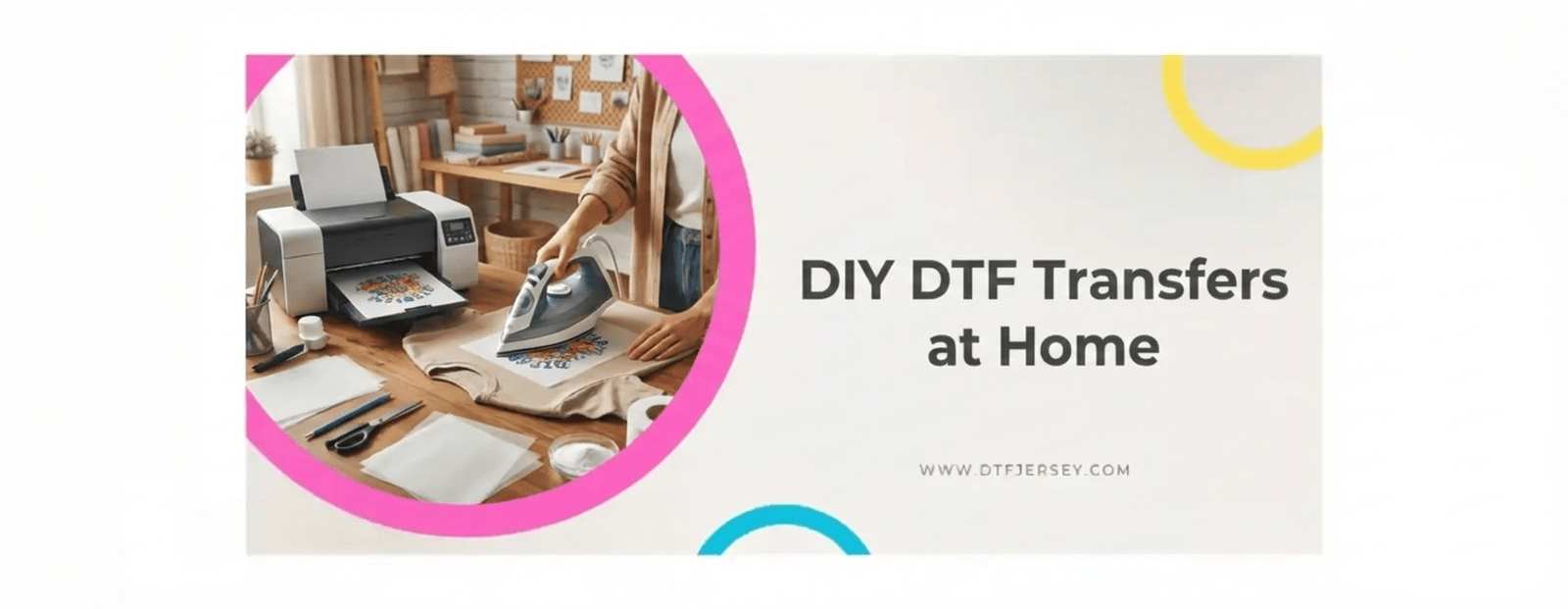
Direct to film transfers (DTF) are a digital heat transfer technology that allows full-color designs to be printed onto a special PET film and then heat-pressed onto virtually any fabric.
Unlike screen printing or sublimation, DTF does not require:
- Screens
- Color separations
- Fabric-specific inks
- Minimum order quantities
How the DTF Process Works
- Design is printed digitally onto PET film using CMYK + white inks
- Thermoplastic adhesive powder is applied to the wet ink
- The transfer is cured to activate the adhesive
- The finished transfer is heat-pressed onto the garment
The result is a flexible, opaque, and highly durable print that adheres well to various materials, including cotton, polyester, blends, nylon, spandex, and performance fabrics. This versatility makes custom DTF transfers the preferred choice for brands seeking speed, consistency, and creative freedom.
DTF vs. Screen Printing: A Comprehensive Quality Comparison
Screen printing has long stood as the industry standard for garment decoration, a time-honored technique known for its reliability and effectiveness. However, as we progress into 2026, the dialogue surrounding print methods has increasingly shifted from traditional practices to a focus on superior performance and versatility.
Color and Design Complexity
When it comes to color and design complexity, screen printing presents several limitations. This technique requires a separate screen for each color included in the design.
As a result, the costs can escalate rapidly, and the complexity of the designs is often restricted to accommodate budgetary constraints. In contrast, DTF transfers excel in this area, offering the ability to produce full-color, photo-realistic designs in just a single pass.
Whether a design incorporates one color or a hundred, DTF maintains the same cost-effectiveness and high quality, liberating designers to unleash their creativity without the usual restrictions imposed by screen printing.
Print Feel and Flexibility
The feel and flexibility of the print can significantly influence the overall experience of wearing a garment. Modern advancements in DTF technology have led to the development of films and inks that create an ultra-thin transfer layer.
This innovative layer seamlessly flexes with the movement of the garment, providing a comfortable and natural feel. In contrast, screen prints can become rigid and may crack over time, particularly when applied to stretch fabrics.
In comparison, high-quality DTF prints not only stretch and rebound without losing their integrity but also offer a more supple texture that enhances the wearer's comfort.
Fabric Compatibility
One of the notable limitations of screen printing lies in its fabric compatibility. This method often struggles with materials such as nylon, performance jerseys, and heat-sensitive fabrics that can be challenging to print on without compromising quality.
On the other hand, DTF transfers shine across a wide array of fabrics. From cotton and polyester to blends, athletic wear, and even specialty fabrics, DTF proves to be a versatile option that adapts well to diverse material choices, making it suitable for various applications in the fashion and sports industries.
DTF vs Screen Print Durability
A crucial consideration for any printing method is durability. When produced correctly, DTF prints can rival and often exceed the durability of traditional screen prints.
Independent wash tests consistently demonstrate that premium DTF transfers maintain their color vibrancy after 50 or more washes, ensuring that the design remains bright and eye-catching for an extended period.
Additionally, DTF prints exhibit excellent adhesion without any edge lifting, a common issue with screen printing techniques. Furthermore, the elasticity of DTF prints on stretch garments means they retain their integrity and appearance, even after repeated wear and washing.
The once-significant durability gap that favored screen printing has officially closed, marking a new era in garment printing technology.
Why Durability and Stretch Matter for Apparel Brands
For apparel brands, durability is not a technical detail—it is a brand promise.
A cracked print, faded logo, or peeling graphic directly impacts:
- Customer satisfaction
- Brand credibility
- Repeat purchases
The Hidden Cost of Low-Quality Transfers
Cheap or poorly produced transfers may look acceptable out of the press, but fail after:
- A few wash cycles
- Normal garment stretching
- Exposure to heat and friction
This leads to refunds, reprints, and a damaged reputation.
Why Stretch Is Critical in 2026
Modern apparel is no longer rigid:
- Sports jerseys stretch
- Streetwear blends flex
- Performance fabrics move with the body
DTF’s elastic adhesive layer allows prints to stretch with the garment, not against it.
For brands selling jerseys, athletic wear, or fitted apparel, DTF durability and stretch are non-negotiable.
How to Identify High-Quality DTF Prints (Ink & Film)
Not all DTF transfers deliver the same results. The difference between average and best DTF transfers comes down to two core elements: ink quality and film quality.
Ink Quality: The Foundation of Durability
Premium DTF inks offer:
- High pigment density
- Smooth white ink opacity
- Strong wash fastness
Low-grade inks often cause:
- Dull colors
- White ink cracking
- Premature fading
White ink is especially critical—it is the most stressed layer and the first to fail in low-quality transfers.
Film Quality: The Invisible Difference
The PET film controls:
- Transfer thickness
- Edge sharpness
- Adhesion consistency
High-quality films are produced:
- Clean peels
- Soft hand feel
- Strong bonding without stiffness
Cheap films result in:
- Heavy, plastic feel
- Poor edge definition
- Uneven adhesion
Adhesive Powder & Curing
Even with good ink and film, incorrect powder application or curing can destroy durability.
The best DTF printing services use:
- Precisely graded adhesive powder
- Controlled curing temperatures
- Strict quality checks before shipping
This is where professional production makes a measurable difference.
Why DTF Jersey Is the Best Partner for Your Business
Choosing DTF is only half the equation. The real advantage comes from who produces your transfers.
Zero Equipment, Zero Risk
By working with DTF Jersey, businesses eliminate:
- Printer investment
- Ink maintenance
- White ink clogging
- Film waste
- Production downtime
You focus on pressing, selling, and scaling—while we handle precision printing.
Commercial-Grade Quality
DTF Jersey produces best-in-class custom DTF transfers using:
- Industrial-grade printers
- Premium inks and films
- Proven curing processes
- Consistent quality control
Every transfer is designed for maximum durability, stretch, and color accuracy.
Built for Real Businesses
Whether you are:
- A print shop
- A sports team supplier
- A streetwear brand
- A print-on-demand seller
Our DTF printing service supports:
- No minimum orders
- Full-color designs
- Fast turnaround
- Reliable consistency at scale
Tested for Durability
Our transfers are tested for:
- Wash resistance (50+ washes)
- Stretch recovery
- Long-term adhesion
This ensures your brand delivers prints that look as good after months of wear as they did on the day they were first printed.
Final Verdict: Are Direct-to-Film Transfers Worth It in 2026?
The answer is clear: yes—when quality is done right.
Direct-to-film transfers offer the perfect balance of:
- Design freedom
- Fabric versatility
- Durability
- Cost efficiency
While screen printing still holds a place for ultra-high-volume, low-complexity jobs, DTF is the superior solution for modern apparel brands that value flexibility, speed, and consistent quality.
By partnering with a trusted provider like DTF Jersey, businesses gain access to professional-grade DTF transfers without the cost, risk, or complexity of in-house production.
Stop maintaining printers and start making profits. Eliminate downtime, ink clogs, and film waste. Outsource your production to DTF Jersey and focus on what you do best: selling and designing. No minimums, fast turnarounds, and commercial-grade results. Upload Your Design & Get Started
Frequently Asked Questions (FAQ)
1. What are Direct to Film Transfers?
They are digital prints made onto a special PET film that are coated with adhesive powder and heat-pressed onto fabric. It is currently the most versatile technology for custom apparel.
2. How durable are Direct to Film Transfers?
Highly durable. Professionally produced transfers can withstand 50+ washes without cracking or fading, often outperforming traditional screen printing.
3. What fabrics can I use for DTF?
Almost any fabric. Direct to Film Transfers work perfectly on cotton, polyester, nylon, spandex, canvas, and various synthetic blends, regardless of the garment color.