Sensory Streetwear: Why Puff DTF is the New Standard for Tactile Fashion Design
In the fast-paced world of 2026 streetwear, visual aesthetics are no longer enough to capture the attention of a discerning audience. We are entering the era of "Sensory Apparel," where the physical feel of a garment is just as critical as the graphic on the front. At the heart of this movement is a technology that adds physical depth to every thread: Puff DTF.
This specialized printing method is redefining how independent brands approach 3D design, allowing for a level of texture and "pop" that was previously reserved for high-end embroidery or expensive screen-printing setups.
The Science of Texture: How Puff DTF Creates 3D Depth
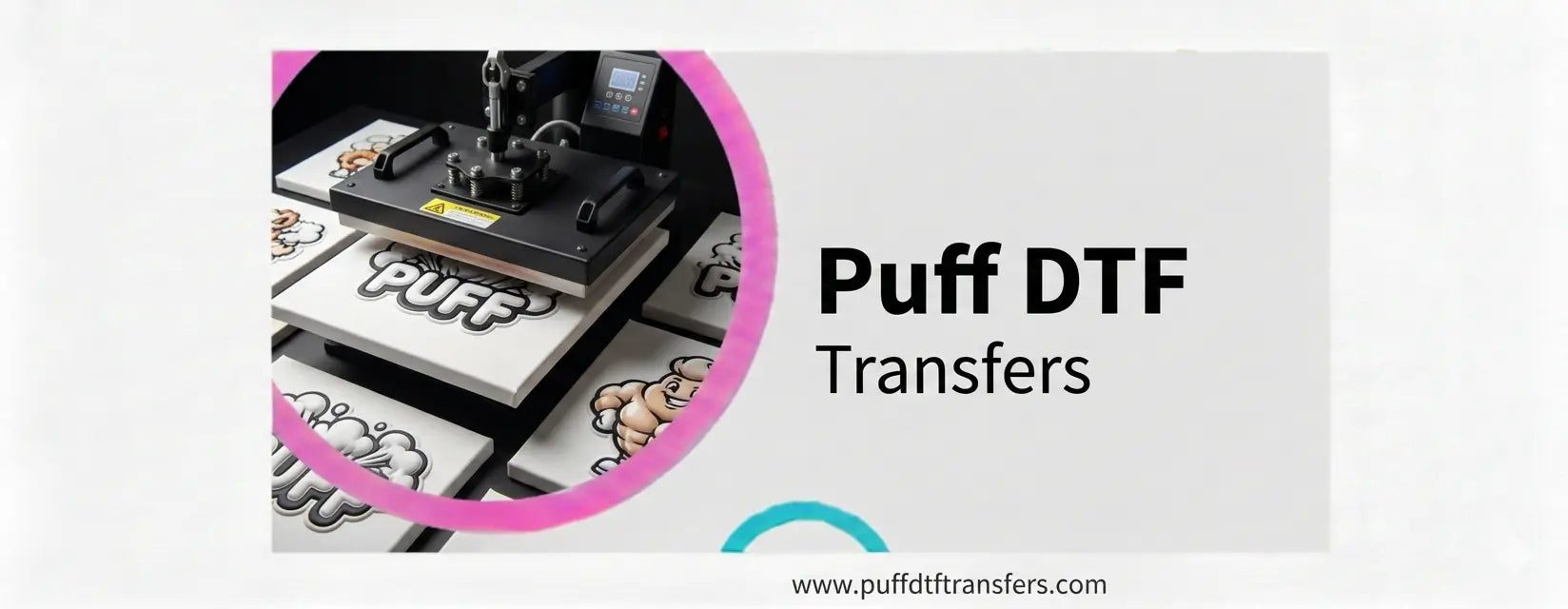
Unlike standard transfers that sit flat on the fabric, Puff DTF contains a unique heat-reactive agent within the ink. When the transfer is subjected to the heat of a press, the ink expands, rising vertically from the garment.
The beauty of this process is its precision. While traditional puff vinyl often results in a "blob-like" appearance, Puff DTF maintains crisp, sharp edges while providing a soft, foam-like elevation. This balance of precision and volume is exactly what modern designers need to create logos that literally stand out from the crowd.
Streetwear Trends: The Shift to Sensory Apparel
Why is the market moving toward tactile design? It's a reaction to the digital saturation of our lives. People are craving physical experiences, and fashion is responding with textures that demand to be touched. By using a Puff DTF transfer, you transform a basic $10 blank t-shirt into a premium piece of "tactile art."
Luxury streetwear brands are increasingly opting for this 3D effect because it provides a "heavyweight" feel to the branding without the added weight or stiffness of traditional heavy-density embroidery. It looks expensive, feels premium, and captures the light in a way that flat prints simply can’t.
Designing for Dimension: Tips for Success
When you are preparing your files for a Puff DTF print, you have to think in three dimensions.
- Mind the Gaps: Because the ink expands, very fine negative spaces can close up. We recommend keeping your line weights bold and your spacing slightly wider than usual.
- Embrace Bold Typography: Serif and block fonts work exceptionally well with this effect, as the "puff" creates natural shadows that emphasize the letterforms.
- Contrast is Key: A raised matte logo on a slightly glossy fabric creates a high-end, tonal contrast that screams boutique quality.
Puff DTF vs. Traditional Embroidery: Which Wins?
For decades, if you wanted a 3D logo, you had to choose embroidery. But times have changed. Puff DTF offers several advantages that are hard to ignore:
- Interior Comfort: Embroidery leaves a "scratchy" mesh of thread inside the shirt. In contrast, a 3D transfer is soft on both sides, ensuring the wearer stays comfortable all day.
- Design Freedom: Complex gradients and multi-color 3D designs are nearly impossible with thread but are a breeze with digital transfers.
- Scalability: For small-to-medium brands, the setup cost for high-density embroidery is often prohibitive. Puff DTF allows you to test 3D designs in small batches with almost no overhead.
Pro-Pressing Guide: Getting the Perfect Rise
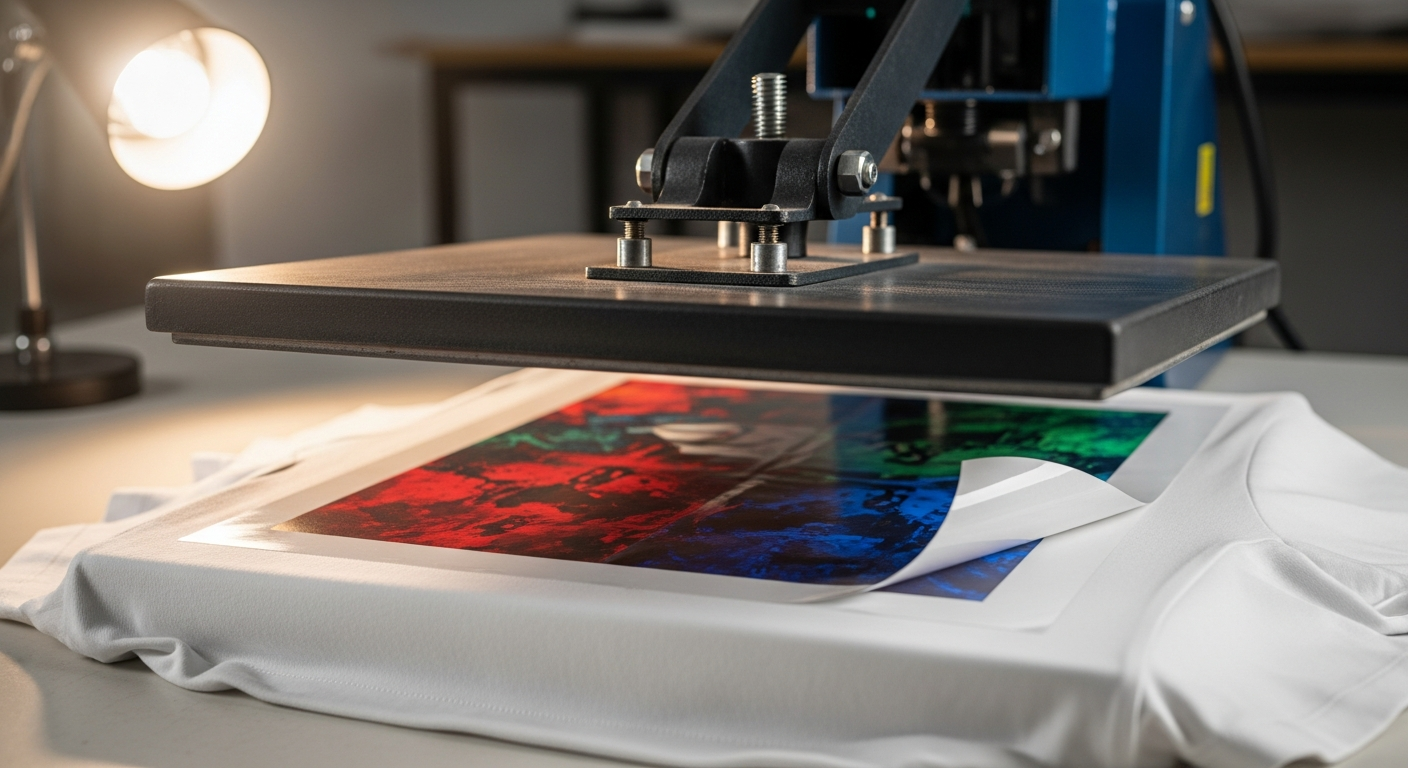
The magic of Puff DTF happens in the final seconds of your heat press cycle. To ensure you get the maximum rise and a durable bond, calibration is everything.
We typically recommend pressing at 290°F - 310°F for 10 to 12 seconds with firm, even pressure. The most important step? The peel. Most 3D films are "Hot Peel," meaning you pull the carrier sheet away while the ink is still reacting, allowing the puff to breathe and expand fully as it hits the air.
The future of streetwear isn't just about what we see—it’s about what we feel. As a designer, incorporating tactile elements into your collection is the fastest way to signal that your brand is forward-thinking and premium.
Ready to add a new dimension to your next drop? Experience the power of touch. Explore the specialized Ready to press collection at DTF Jersey and give your audience something they can really feel.
FAQ: Everything You Need to Know
How do I wash garments with these 3D prints?
Turn the garment inside out and use a cold wash cycle. This protects the height of the print and prevents friction from dulling the texture.
Does the 3D effect lose its height over time?
When pressed correctly, the bond is permanent. The "foam" structure is resilient and will maintain its elevation through dozens of washes.
Can I mix standard and 3D transfers?
Yes! This is a top-tier trend. Use standard transfers for the background and Puff DTF for the main focal point to create a multi-layered, mixed-media look.