Article: Tactile Storytelling: Using Specialty DTF Effects for Limited Edition Art Prints on Canvas
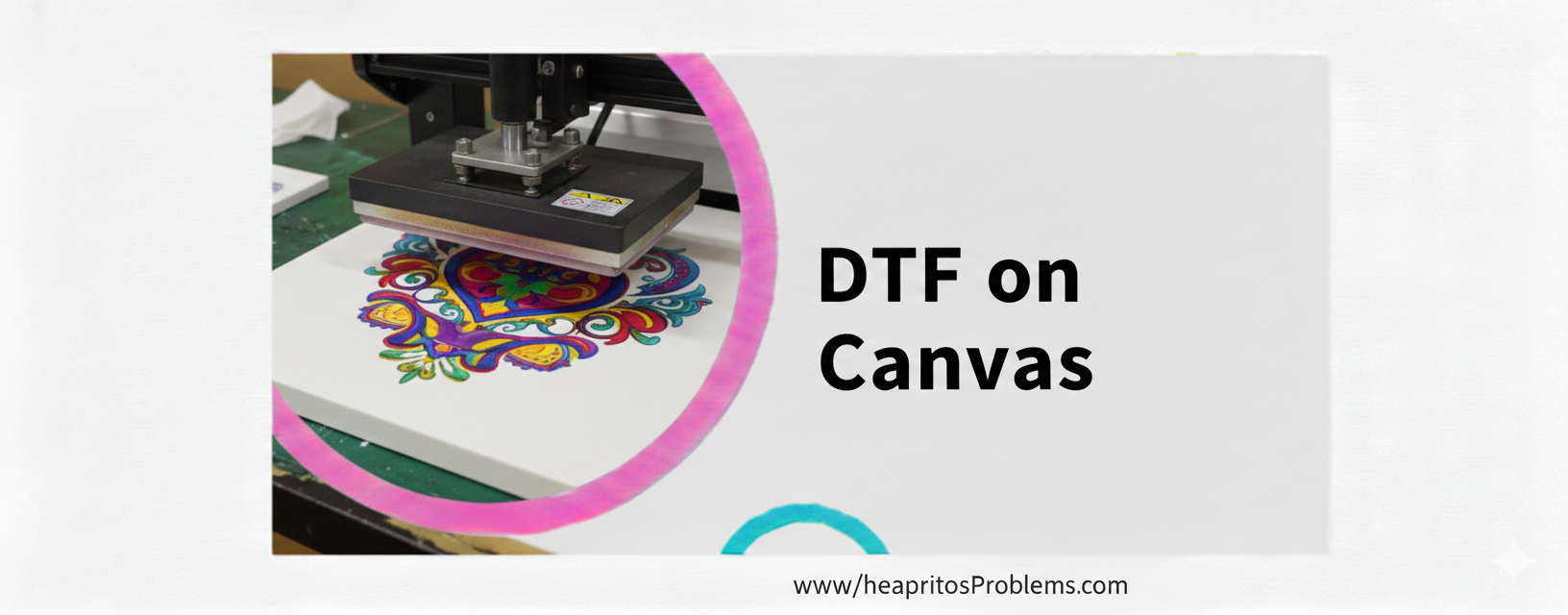
Tactile Storytelling: Using Specialty DTF Effects for Limited Edition Art Prints on Canvas
Digital art often remains trapped behind flat screens, untouchable and one-dimensional. However, in 2026, the most successful creators are breaking that barrier. At DTF Jersey, we believe your audience should feel your design, not just see it.
By applying Specialty DTF Effects to canvas, you can engage in "Tactile Storytelling"—the art of using physical texture to add depth to digital narratives. Here is how to turn standard illustrations into high-value, limited-edition gallery pieces.
The Fine Art Advantage: Why DTF Wins on Canvas
Traditional giclée printing is beautiful, but it lacks the physical "bite" of mixed media. DTF (Direct to Film) offers a revolutionary relationship between the ink and the substrate.
- Permanent Fiber Bond: Unlike standard ink that can sit on top of primed canvas, DTF adhesive locks into the heavy weave. This creates a durable, archival-quality bond.
- Zero-Crack Flexibility: Traditional prints can splinter when stretched. Our transfers offer incredible elasticity, allowing you to stretch your canvas over wooden frames without damaging the art.
- UV Stability: We engineer our DTF inks to resist fading, ensuring your limited edition runs maintain their gallery-vibrancy for years of home display.
Your Creative Palette: Specialty Effects Guide
| Effect | Visual Impact | Best Artistic Use |
| Glitter DTF | Shimmering, multi-tonal light play | Starry skies, magical elements, water reflections |
| Metallic Film | High-shine, reflective industrial luxe | Architectural lines, jewelry, geometric abstracts |
| Glow-in-the-Dark | Photoluminescent "hidden" layers | Hidden night-scenes, bioluminescence, street art |
| 3D Puff DTF | Raised, topographical texture | Mimicking oil paint brushstrokes (Impasto style) |
Workflow: Applying Specialty DTF to Canvas
To achieve a professional "mixed media" look, follow these studio guidelines:
- Substrate Selection: Use unprimed or lightly primed canvas. If the surface is too glossy, the adhesive cannot "anchor" into the fibers.
- The "Soft Press" Technique: Set your heat press to 320°F (160°C) with medium pressure. Over-pressing can flatten the canvas weave, stripping the piece of its organic, artistic feel.
- Hybrid Artistry: Use DTF as your foundation. Many artists now apply a 3D Puff Transfer and then hand-paint acrylic highlights over the top to create unique, one-of-a-kind "hybrid" prints.
Monetizing Your Art: The Power of "Limited Editions"
Tactile storytelling allows you to move away from low-margin paper posters and into high-value collectibles.
- Increasing Perceived Value: A standard flat print might retail for $25. A Specialty DTF Canvas, numbered and featuring metallic or textured accents, can easily command $150–$300 in a boutique or gallery setting.
- Boutique Exclusivity: Use our [Specialty DTF Films] to create "Artist Proofs" with effects that can't be replicated by mass-production printers.
- The Narrative Upsell: When selling your work, highlight the texture. Tell the story of how the light interacts with the metallic highlights or how the piece "glows" in low light.
The Future of Interior Curation
In 2026, interior design is moving toward sensory experiences. Collectors no longer want flat images; they want pieces that offer depth and light-play. By mastering tactile storytelling, you aren't just selling a picture—you are selling a physical masterpiece.
Ready to bring your art into the third dimension?
Explore the full DTF Transfers solutions at DTF Jersey today and redefine what is possible on canvas.
FAQ: Specialty DTF Art Prints on Canvas
Can I clean a DTF art print on canvas?
Yes. You can gently wipe the surface with a soft, dry microfiber cloth to remove dust. Avoid using harsh chemicals or excessive moisture, as these can dull the luster of specialty films like Glitter or Metallic.
Do I need to frame a DTF canvas print behind glass?
No. Because DTF transfers are durable and UV-resistant, glass is not required. In fact, we recommend leaving the print unframed so the tactile texture and specialty 3D effects can be fully seen and felt.
Does specialty DTF work on pre-primed (Gesso) canvas?
Yes, but it works best on lightly primed or unprimed canvas. If the gesso coating is too thick or glossy, the adhesive may struggle to "bite" into the fibers. We recommend a quick test press on a canvas scrap before starting a full edition.