Article: Custom Hoodies in NJ: What to Know About DTF on Fleece for Fall and Winter
Custom Hoodies in NJ: What to Know About DTF on Fleece for Fall and Winter
When the temperature drops across North Jersey, the shirt orders slow down and the hoodie orders pick up. If you sell apparel and you are planning custom hoodies in NJ for fall and winter, fleece changes the conversation. It is thicker, it is often darker, and it behaves differently under a heat press than a light cotton tee. Direct to film (DTF) transfers handle fleece well, but getting a clean, durable print on a heavyweight hoodie or crewneck takes a few adjustments worth knowing before you run the batch.
This guide covers why DTF fits fleece, how to keep colors bright on dark garments, the pressing notes that matter for thicker material, and how to time a New Jersey order before the cold sets in.
Why DTF Works on Fleece Hoodies and Crewnecks
DTF is one of the more flexible print methods for winter apparel because it is not fussy about fabric. It applies well to cotton, polyester, cotton poly blends, tri-blends, and fleece, which covers nearly every hoodie and crewneck you would want to stock. A cotton fleece pullover, a poly performance quarter-zip, and a blended crewneck can all carry the same design without switching print methods between them.
For a seller, that means you are not locked into one garment. You can offer a heavyweight cotton hoodie, a lighter blend for people who run warm, and a performance layer for the athletic crowd, all from the same artwork. There is no minimum order, so you can test a few styles before committing to a full winter run.
Keeping Colors Bright on Dark Winter Garments
Winter apparel skews dark. Charcoal, black, navy, and deep heather are the colors people reach for once the weather turns, and that is exactly where a lot of print methods struggle. DTF does not, because every transfer carries its own white ink layer underneath the color.
That white underbase is what keeps a design opaque on a dark hoodie. Instead of the garment color bleeding through and dulling your art, the white layer gives the color something solid to sit on, so a bright logo or a full color graphic reads at full strength on black fleece the same way it would on a white tee. Garment color does not limit DTF the way it limits some other methods.
Bright and pastel artwork on very dark fleece is still worth a quick test press, since thin tones can look muddy without a strong underbase behind them. If you are weighing fabric and garment options, the blank apparel collection covers the hoodie and crewneck weights that take a print well.
Pressing Fleece: Settings and Even Pressure
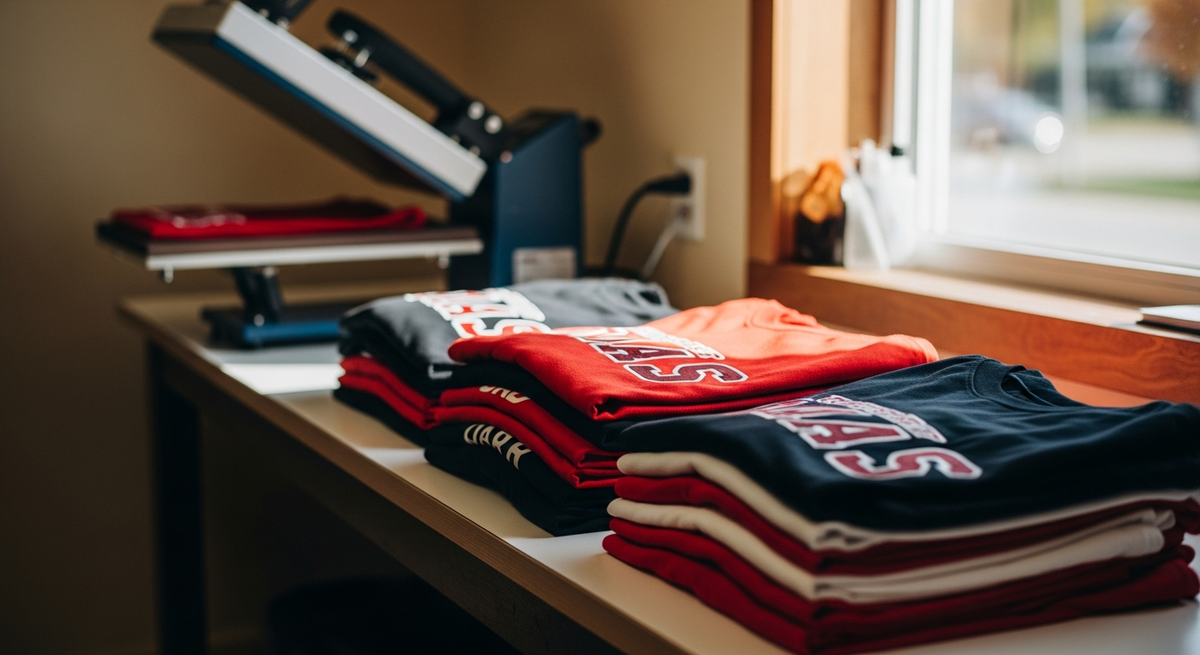
Here is where fleece earns its own section. The bigger variable with fleece is pressure, not temperature. Thick or textured garments generally need firmer, more even pressure to get a full bond, because a plush surface does not make flat, uniform contact with the platen the way a thin tee does. If part of the transfer sits down into the pile and part floats on top, you get uneven adhesion.
On settings, always defer to the instructions supplied with your transfers, since the exact numbers vary by press machine and film type. Do not treat a single number as universal across every garment and every film. As a general starting point:
🔥 DTF Jersey Press Specs (General Guidance)
Choosing Your Winter Blanks
The blank you pick shapes the whole order, so choose per use rather than forcing one garment on everyone.
DTF prints across all of them from one design file, keeping your artwork consistent from the pullover to the crewneck. Prep your design as a transparent PNG at 300 DPI so the print comes out crisp on every style. When you are ready to build the order, the DTF transfers collection is where the run starts.
Caring for a Custom Hoodie Through a NJ Winter
A hoodie gets worn hard through a Jersey winter, so care matters if the print is going to last.
Give customers, or your own care tags, the basics:
For a fuller rundown you can hand to buyers, our post on caring for a printed garment walks through the same steps.
Ordering Custom Hoodies in NJ: Pickup and Shipping
Winter orders live and die by timing, and pickup and shipping are two separate paths worth keeping straight before you commit.
Orders placed after the applicable cutoff move to the next business day. Full pickup and shipping details are on the FAQ page.
Get Your Fall and Winter Hoodie Order Started
Fleece rewards a little planning. Choose blanks for how they will be worn, lean on the white underbase to keep colors bright on dark garments, press with firm even pressure and defer to your film's instructions, and set clear care guidance. Do that, and a custom hoodie or crewneck holds up as well as anything in the winter rotation.
When you are ready to build your fall and winter run, start with the DTF transfers collection and reach out to DTF Jersey if you want a hand picking the right blanks for the job.
Warm Layers, Clean Prints
Hoodies, crewnecks, and quarter-zips off one design file. No minimums, same-day ship before 3:00 PM ET, Elmwood Park pickup available.
Browse DTF Transfers → Build a Winter Gang SheetFrequently Asked Questions
Can you print DTF transfers on fleece hoodies and crewnecks?
Yes. DTF Jersey transfers apply well to fleece along with cotton, polyester, cotton poly blends, and tri-blends, so hoodies, crewnecks, and quarter-zips all take a print from the same design. Because fleece has texture, plan for firmer, more even pressure and test one garment before running the full batch.
Will DTF prints stay bright on dark winter hoodies?
Yes. Every DTF Jersey transfer includes a white ink layer under the color, so a design stays opaque and vibrant on black, navy, or charcoal fleece instead of the garment color dulling it. Bright or pastel art on very dark fleece is still worth a quick test press before the full run.
What heat press settings should I use for thick fleece?
Start from the standard DTF Jersey range of 290 to 310°F, with high pressure for about 6 seconds or medium pressure for 8 to 15 seconds, and a hot peel — but settings vary by press machine and film, so follow the instructions supplied with your transfers. With thick or textured fleece, focus on firm, even pressure and a short pre-press to flatten the surface and remove moisture before applying the transfer.
How do I wash a custom hoodie without damaging the print?
Wash inside out in cold water with a mild detergent, avoid bleach, fabric softener, and high-heat cycles, and hang dry or tumble dry on low. Do not iron directly on the print. DTF Jersey transfers are Intertek-tested for 100+ wash cycles with no major cracking, peeling, or color fading when cared for this way.
Can I pick up a hoodie order the same day in New Jersey?
Yes. Same-day local pickup at the DTF Jersey Elmwood Park store (495 Mola Blvd, Unit #8) runs on a 4:00 PM ET cutoff on business days, with no carrier shipping charges. For shipped orders, the cutoff is 3:00 PM ET for same-day processing, and a rush order placed by 4:00 PM ET is printed within one to three hours. Check the full details on the FAQ page before a time-sensitive winter order.