Beyond the Oven: How to Cure DTF Powder Using Only a Heat Press
You don't need a thousand-dollar industrial oven to start a successful apparel brand. While professional curing ovens offer speed, many of the most successful side-hustles in 2026 started with a single piece of equipment: the heat press.
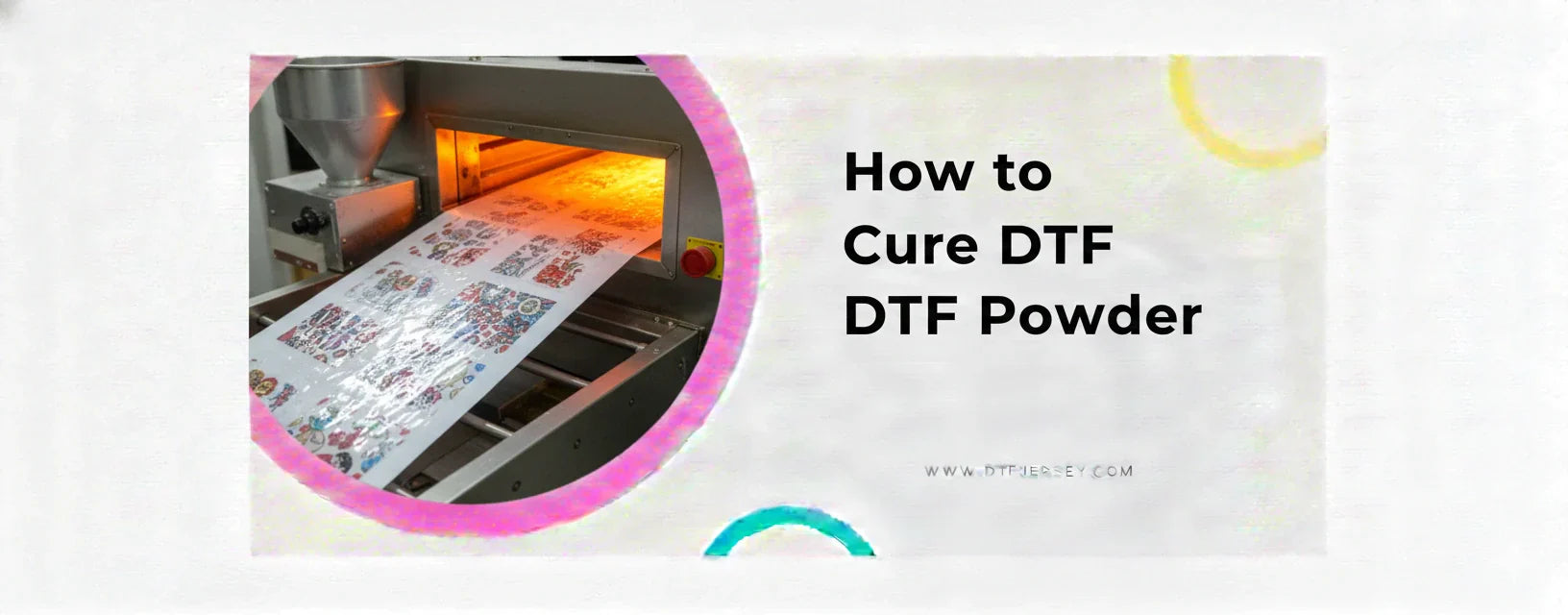
If you are working in a small studio or just starting, master the "hover method" to scale without heavy overhead. This guide teaches you exactly how to cure DTF powder using the tools you already own, ensuring your prints stay vibrant and durable.
Melting TPU powder releases fumes that can irritate your respiratory system. Always perform the curing process in a well-ventilated room or under an extraction hood. Never leave your heat press unattended while hovering.
Step-by-Step: The "Heat Press Hover" Method
Follow this precise workflow to ensure a perfect melt every time. Give your full attention to the distance between the platen and the film to avoid ruining your DTF Transfer Film.
Step 1: The Setup
Set your heat press to 325°F – 350°F (160°C – 175°C). Allow the press to reach full temperature before starting the cure.
Step 2: The Two-Cent Gap
Lower the top platen until it sits about 1 to 2 centimeters away from the film. Do not let the platen touch the wet powder.
- Pro Tip: Place two quarters or a small heat-resistant block on the edges of your press frame. This acts as a physical "stopper," preventing the heavy platen from dropping onto your wet DTF Inks.
Step 3: The 2-Minute Rule
Hover the design for 120 to 180 seconds. Since a heat press only radiates heat from the top, you need this extra time to ensure the heat penetrates the powder evenly across the entire gang sheet.
Step 4: The Visual Check
Lift the platen and inspect the finish. You have a successful cure when the powder looks transparent and has a smooth, slightly glossy "orange peel" texture. If you see white, grainy spots, hover for another 30 seconds.
Critical Settings: Time & Temp Benchmark
Humidity and powder type affect your curing success. Use these 2026 benchmarks for your Premium TPU Powder:
| Powder Type | Temperature | Hover Time | Visual Cue |
| Standard White | 325°F (163°C) | 120 - 150 sec | Smooth, glossy finish |
| Black Soft-Touch | 340°F (171°C) | 140 - 160 sec | Uniform dark melt |
| High-Stretch | 330°F (165°C) | 130 - 150 sec | Rubbery texture |
Why it Works: The Science of the Melt
Curing isn't just "drying" the ink; it is a chemical reaction. The TPU (Thermoplastic Polyurethane) powder must melt into the wet ink to create a powerful adhesive bond.
If you under-cure, the design will peel in the wash. If you over-cure, the film becomes brittle and the adhesive fails to grip the fabric. Mastering how to cure DTF powder correctly ensures your graphics outlast the garment itself.
Troubleshooting: 3 Signs of a Bad Cure
Don't waste expensive blanks on bad transfers. Watch for these red flags:
- The "Sandpaper" Feel: If the design feels gritty after cooling, you under-cured it. It will likely wash off in the first cycle.
- Yellowing or Smoking: If the film turns yellow or smells scorched, your temp is too high or the platen is too close. Lower the temp by 10 degrees immediately.
- Oil Spots or Bubbling: This usually means your ink was too thick or your room humidity is too high. Check our guide on [Managing Humidity in your Print Room] to solve this.
Heat Press vs. Oven: Which is Right for You?
| Feature | Heat Press Hover | Dedicated DTF Oven |
| Cost | $0 (Uses existing gear) | $300 - $1,200+ |
| Speed | Low (One sheet at a time) | High (Batch processing) |
| Best For | Samples & Small Runs | [High-Volume Production] |
Start Small, Scale Smart
You don't need a factory to build a brand. By mastering the heat press hover method, you produce retail-quality transfers with minimal investment. Success in the DTF world depends on technique and consistency, not just the price tag of your machinery.
Let’s skip the mess of powder and curing altogether?
If you want to focus on sales rather than production, let us handle the technical work. Order our pro-grade, pre-cured transfers and go straight to the final press.
Order Your Custom Transfers from DTF Jersey!
FAQ: How to Cure DTF Powder
Can I use a household iron to cure the powder?
No. Household irons provide uneven heat and lack precise temperature control. Using one will result in "dead spots" where the powder doesn't melt, causing your design to peel after the first wash.
Does the brand of powder change the curing time?
Yes. Different TPU powders have varying melting points. Always perform a "test melt" with a small scrap piece when switching brands to verify the exact time and temperature needed for a smooth finish.
How long can I store cured transfers before pressing them onto a shirt?
If you store them in a cool, dry place inside a sealed bag, cured transfers last up to 6–12 months. Ensure they stay away from direct sunlight and humidity to prevent the adhesive from degrading.